Choosing the right rhinoplasty surgeon for your first rhinoplasty surgery is extremely important. This is because secondary  rhinoplasty is much more challenging than primary rhinoplasty and often times “your first shot is your best shot”. Scarred tissue as well as limited graft material make secondary rhinoplasty an entirely different operation than a primary rhinoplasty. It is also much more likely during a second rhinoplasty that you will need to harvest tissue from distant site, such as rib or ear cartilage, as septal cartilage was removed during the first operation.
Several factors contribute to the increased complexity of secondary rhinoplasty:
- Scar Tissue: Scar tissue from the previous surgery can make the tissues less pliable and more challenging to work with during revision.
- Altered Anatomy: The anatomy of the nose is always altered by the previous surgery, making it more difficult to achieve the desired outcome. The structure of the nose can be contorted with scar and weakened from prior surgery.
- Limited Grafting Material: In most cases, the surgeon may have used available grafting material(ie. the septum) during the primary rhinoplasty or septoplasty, leaving fewer options for revision.
- Patient Expectations: Managing patient expectations can be more challenging in revision cases, as patients may have had a previous experience that did not meet their expectations.
- Risk of Complications: There may be an increased risk of complications, such as infection or poor wound healing, in revision cases.
Choose a Rhinoplasty Expert?
It is important that you choose a Plastic Surgeon experienced in rhinoplasty surgery. Rhinoplasty surgery is a field all in itself. It is considered by many Plastic Surgeons to be the most difficult of all procedures. To be proficient in rhinoplasty requires a very specific skill set and a prolific knowledge of rhinoplasty techniques. It is a finesse surgery that takes time and a commitment to perfection. Patients should be wary of any surgeon who simply does an “add on” rhinoplasty at the time of septoplasty. Excellent rhinoplasty results take 3-4 hours to achieve.
Dr. David Graham is a rhinoplasty expert. He is a member of the both the American Rhinoplasty Society and Rhinoplasty Society of Europe. He has pursued advanced training with the world’s finest rhinoplasty surgeons, such as Dean Toriumi, Rod Rohrich, Mario Ferraz, and Rick Davis. In addition to traveling all over the US to hone his craft, he has traveled to Italy and Germany to study with the world’s best surgeons. As a result, he is at the forefront of rhinoplasty techniques, including the usage of ultrasonic rhinoplasty. He performs both primary and revision rhinoplasty procedures out of his state of the art surgical suite.
Contact Board Certified Plastic Surgeon, David Graham, MD, in Rochester, New York
To learn more about the plastic surgery treatments and procedures performed by Board Certified Plastic Surgeon, David Graham, MD please contact us.
View our plastic surgery and med spa procedure pricing.
Dr. Graham receives patients from Rochester, Victor, Fairport, Pittsford, Brighton, Irondequoit, Henrietta, Syracuse, Buffalo, New York and surrounding areas.
Rhinoplasty, commonly known as a “nose job,” is a surgical procedure that has evolved into both an art and a science. Beyond  merely addressing cosmetic concerns, rhinoplasty aims to harmonize facial features, boost confidence, and improve overall well-being. In this blog post, we will explore the intricacies of rhinoplasty, its transformative effects, and considerations for those contemplating this life-changing procedure.
Section 1: Understanding Rhinoplasty
Rhinoplasty is a surgical procedure designed to reshape the nose, either for cosmetic purposes or to correct functional issues such as breathing difficulties. The decision to undergo rhinoplasty is deeply personal, often driven by a desire for facial balance, enhanced aesthetics, or the resolution of breathing problems. A skilled and experienced surgeon can achieve remarkable results, tailoring the procedure to each individual’s unique facial anatomy.
Section 2: The Art and Science of Nasal Harmony
A successful rhinoplasty involves a delicate balance between the artistic vision of the surgeon and the anatomical science of the procedure. Surgeons take into account facial proportions, skin thickness, and the structural framework of the nose to create a result that complements the patient’s overall appearance. The goal is not just to alter the nose but to enhance the natural beauty and symmetry of the face.
Section 3: The Transformative Impact
Beyond the physical changes, rhinoplasty can have a profound impact on an individual’s self-esteem and confidence. Many patients report increased satisfaction with their appearance, leading to improved social interactions and a more positive outlook on life. The psychological benefits of rhinoplasty are a testament to the procedure’s potential to transform not just the nose but the entire sense of self.
Section 4: The Consultation Process
Before embarking on a rhinoplasty journey, a thorough consultation with a qualified surgeon is essential. During this process, patients discuss their goals, expectations, and concerns with the surgeon. A skilled surgeon will assess the patient’s facial anatomy, provide realistic expectations, and develop a personalized treatment plan. Open communication between the patient and surgeon is crucial for achieving the desired results.
Section 5: Recovery and Aftercare
Rhinoplasty is a surgical procedure, and a proper recovery period is necessary for optimal results. Patients can expect swelling and bruising, which gradually subside over a few weeks. Following post-operative care instructions, attending follow-up appointments, and practicing patience are key components of a smooth recovery process.
Conclusion:
Rhinoplasty is more than a cosmetic procedure; it is an art form that aims to enhance facial harmony and boost self-confidence. As individuals consider this transformative journey, it is crucial to choose a qualified surgeon who understands the delicate balance between art and science. With proper consultation, realistic expectations, and post-operative care, rhinoplasty can be a powerful tool for achieving not just a new nose, but a renewed sense of self
Choose a Rhinoplasty Expert
It is important that you choose a Plastic Surgeon experienced in rhinoplasty surgery. Rhinoplasty surgery is a field all in itself. It is considered by many Plastic Surgeons to be the most difficult of all procedures. To be proficient in rhinoplasty requires a very specific skill set and a prolific knowledge of rhinoplasty techniques. It is a finesse surgery that takes time and a commitment to perfection. Patients should be wary of any surgeon who simply does an “add on” rhinoplasty at the time of septoplasty. Excellent rhinoplasty results take 3-4 hours to achieve.
Dr. David Graham is a rhinoplasty expert. He is a member of the both the American Rhinoplasty Society and Rhinoplasty Society of Europe. He has pursued advanced training with the world’s finest rhinoplasty surgeons, such as Dean Toriumi, Rod Rohrich, Mario Ferraz, and Rick Davis. In addition to traveling all over the US to hone his craft, he has traveled to Italy and Germany to study with the world’s best surgeons. As a result, he is at the forefront of rhinoplasty techniques, including the usage of ultrasonic rhinoplasty. He performs both primary and revision rhinoplasty procedures out of his state of the art surgical suite.
Contact Board Certified Plastic Surgeon, David Graham, MD, in Rochester, New York
To learn more about the plastic surgery treatments and procedures performed by Board Certified Plastic Surgeon, David Graham, MD please contact us.
View our plastic surgery and med spa procedure pricing.
Dr. Graham receives patients from Rochester, Victor, Fairport, Pittsford, Brighton, Irondequoit, Henrietta, Syracuse, Buffalo, New York and surrounding areas.
The choice between open and closed rhinoplasty depends on various factors, including the specific goals of the surgery, the surgeon’s expertise, and the patient’s individual anatomy. However, most rhinoplasty experts in the world perform an open rhinoplasty approach. This affords better visibility and control of the operation as opposed to a closed approach. (Imagine a mechanic working on a car engine without lifting the hood.) In fact, I call closed rhinoplasty “good enough” rhinoplasty as most speakers at meetings who perform closed rhinoplasty will present the results of their surgeries and will say “it wasn’t perfect, but the patient was happy” so it was good enough.
- Open Rhinoplasty:
- Advantages:
- Provides better visibility for the surgeon.
- Allows for more complex and detailed procedures.
- Easier access to nasal structures for modifications.
- Disadvantages:
- Longer recovery time due to more extensive incisions.
- Increased swelling and potential for visible scarring at the base of the nose.
- Advantages:
- Closed Rhinoplasty:
- Advantages:
- Shorter recovery time as it involves smaller incisions.
- Generally results in less postoperative swelling.
- No visible external scarring.
- Disadvantages:
- Limited visibility for the surgeon, which may be a challenge in complex cases.
- Advantages:
Choose a Rhinoplasty Expert
It is important that you choose a Plastic Surgeon experienced in rhinoplasty surgery. Rhinoplasty surgery is a field all in itself. It is considered by many Plastic Surgeons to be the most difficult of all procedures. To be proficient in rhinoplasty requires a very specific skill set and a prolific knowledge of rhinoplasty techniques. It is a finesse surgery that takes time and a commitment to perfection. Patients should be wary of any surgeon who simply does an “add on” rhinoplasty at the time of septoplasty. Excellent rhinoplasty results take 3-4 hours to achieve.
Dr. David Graham is a rhinoplasty expert. He is a member of the both the American Rhinoplasty Society and Rhinoplasty Society of Europe. He has pursued advanced training with the world’s finest rhinoplasty surgeons, such as Dean Toriumi, Rod Rohrich, Mario Ferraz, and Rick Davis. In addition to traveling all over the US to hone his craft, he has traveled to Italy and Germany to study with the world’s best surgeons. As a result, he is at the forefront of rhinoplasty techniques, including the usage of ultrasonic rhinoplasty. He performs both primary and revision rhinoplasty procedures out of his state of the art surgical suite.
Contact Board Certified Plastic Surgeon, David Graham, MD, in Rochester, New York
To learn more about the plastic surgery treatments and procedures performed by Board Certified Plastic Surgeon, David Graham, MD please contact us.
View our plastic surgery and med spa procedure pricing.
Dr. Graham receives patients from Rochester, Victor, Fairport, Pittsford, Brighton, Irondequoit, Henrietta, Syracuse, Buffalo, New York and surrounding areas.
Taping is a common practice after rhinoplasty, and it is often recommended by rhinoplasty surgeons to help support the  healing process and optimize the final results. Taping is theoretically done to provide additional support to the nasal tissues, minimize swelling, and help shape the nose during the initial stages of recovery. However, it is not beneficial to all patients, and it may actually cause harm if done incorrectly. Purported benefits include:
- Reduced Swelling: Taping can help minimize postoperative swelling by applying gentle pressure to the nasal tissues. This pressure can encourage fluids to drain away from the surgical site.
- Support Nasal Tissues: Taping provides support to the newly shaped nasal structures. It helps maintain the desired shape and alignment of the nose during the early stages of healing.
- Control Edema: Edema, or fluid retention, is common after surgery. Taping can help control and reduce edema, contributing to a smoother recovery.
- Prevent Scar Tissue Formation: Taping may help prevent the formation of excessive scar tissue by keeping the skin and underlying tissues in place and minimizing tension. This is particularly important after large reductions in size or rearrangements of cartilage. Otherwise, one may develop issues like Pollybeak Deformity.
Who is a Good Candidate for Taping After Rhinoplasty?
Not all patients actually benefit from taping after rhinoplasty. A Randomized Controlled Trial published in JAMA Facial Plastic Surgery in 2016 by Ozucer and associates studied 57 patients undergoing rhinoplasty. Three groups were allocated: One control group(no taping) and two taping groups(2 weeks and 4 weeks of taping). The desired outcome was a difference in edema and tissue thickness due to the taping. The study concluded that taping had no effect in thin skinned patients, but was effective in reducing tissue thickness in thick skinned patients. This translates into a smaller nose overall, less chance at pollybeak deformity, and better definition of the tip(cuter tip with ski slope or button).
How Does One Go About Taping After Rhinoplasty?
Taping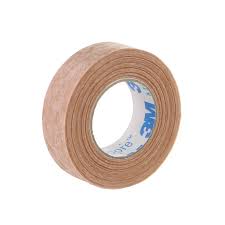
• Only use the allocated taping approved by your physician(Usually 3M 0.5 inch flesh colored micropore paper tape).
• Stay nasal taped “as many hours as is socially feasible,”
especially at night.
• Before applying the tape, make sure to clean your nasal skin with
an alcohol pad.
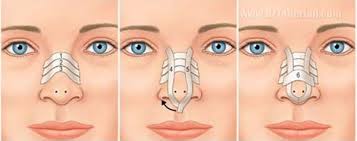
• Place your taping in front of a mirror for proper placement. Apply
horizontally oriented, single-layer taping—as you were instructed—
from top to tip. Do not overlap the tapes more than 2%.
• Pull the tape tightly on the skin; the idea is to compress the skin
down to underlying cartilage and/or bone.
Untaping
• Before peeling off, contact with water or alcohol (during shower
or after washing your face).
• Pull the tape gently back over itself 180 degrees to minimize
pulling the skin up.
• Make sure to wash your nose skin 2 to 3 times a day.
Choose a Rhinoplasty Expert?
It is important that you choose a Plastic Surgeon experienced in rhinoplasty surgery. Rhinoplasty surgery is a field all in itself. It is considered by many Plastic Surgeons to be the most difficult of all procedures. To be proficient in rhinoplasty requires a very specific skill set and a prolific knowledge of rhinoplasty techniques. It is a finesse surgery that takes time and a commitment to perfection. Patients should be wary of any surgeon who simply does an “add on” rhinoplasty at the time of septoplasty. Excellent rhinoplasty results take 3-4 hours to achieve.
Dr. David Graham is a rhinoplasty expert. He is a member of the both the American Rhinoplasty Society and Rhinoplasty Society of Europe. He has pursued advanced training with the world’s finest rhinoplasty surgeons, such as Dean Toriumi, Rod Rohrich, Mario Ferraz, and Rick Davis. In addition to traveling all over the US to hone his craft, he has traveled to Italy and Germany to study with the world’s best surgeons. As a result, he is at the forefront of rhinoplasty techniques, including the usage of ultrasonic rhinoplasty. He performs both primary and revision rhinoplasty procedures out of his state of the art surgical suite.
Contact Board Certified Plastic Surgeon, David Graham, MD, in Rochester, New York
To learn more about the plastic surgery treatments and procedures performed by Board Certified Plastic Surgeon, David Graham, MD please contact us.
View our plastic surgery and med spa procedure pricing.
Dr. Graham receives patients from Rochester, Victor, Fairport, Pittsford, Brighton, Irondequoit, Henrietta, Syracuse, Buffalo, New York and surrounding areas.
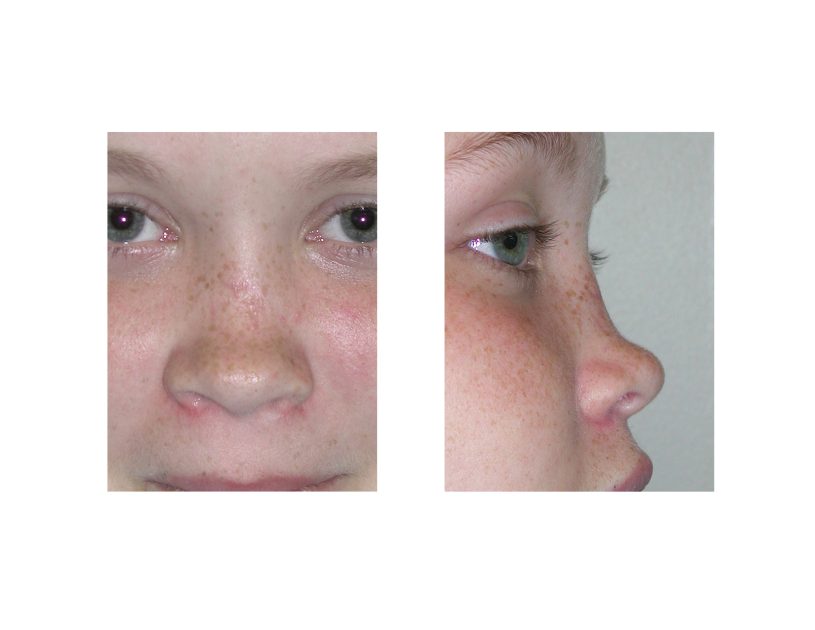 A “saddle nose” in the context of rhinoplasty refers to a deformity where the bridge of the nose has a concave or flattened appearance, resembling the shape of a saddle. This deformity occurs when there is a loss of structural support in the nasal bridge, leading to a collapse of the midportion of the nose.
There are various potential causes for a saddle nose deformity, including:
- Over-resection during rhinoplasty or septoplasty: If too much cartilage and bone are removed during a rhinoplasty or septoplasty procedure, it can result in a weakened nasal structure, leading to a saddle nose appearance.
- Trauma: Nasal trauma, such as a significant injury or multiple injuries over time, can damage the nasal structure and contribute to the development of a saddle nose.
- Congenital factors: Some individuals may be born with a predisposition to a weak nasal structure that can lead to a saddle nose deformity.
- Inflammatory conditions: Diseases that affect the cartilage and tissues of the nose, such as certain types of autoimmune diseases, may contribute to the development of a saddle nose.
How Do You Fix a Saddle Nose Deformity
Correction of a saddle nose typically involves reconstructive rhinoplasty, where the surgeon aims to restore the nasal structure 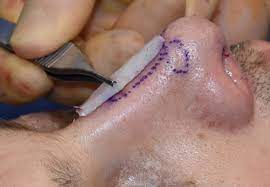 and support. This may involve using cartilage grafts, often taken from the patient’s own body (such as the septum, ear, or even rib), to rebuild the nasal bridge and create a more aesthetically pleasing and functional nose. Usually, the septum has already been damaged before the revision surgery. Therefore, rib or ear cartilage is often required. This is why it is important to go to a rhinoplasty expert for correction.
Choose a Rhinoplasty Expert
It is important that you choose a Plastic Surgeon experienced in rhinoplasty surgery. Rhinoplasty surgery is a field all in itself. It is considered by many Plastic Surgeons to be the most difficult of all procedures. To be proficient in rhinoplasty requires a very specific skill set and a prolific knowledge of rhinoplasty techniques. It is a finesse surgery that takes time and a commitment to perfection. Patients should be wary of any surgeon who simply does an “add on” rhinoplasty at the time of septoplasty. Excellent rhinoplasty results take 3-4 hours to achieve.
Dr. David Graham is a rhinoplasty expert. He is a member of the both the American Rhinoplasty Society and Rhinoplasty Society of Europe. He has pursued advanced training with the world’s finest rhinoplasty surgeons, such as Dean Toriumi, Rod Rohrich, Mario Ferraz, and Rick Davis. In addition to traveling all over the US to hone his craft, he has traveled to Italy and Germany to study with the world’s best surgeons. As a result, he is at the forefront of rhinoplasty techniques, including the usage of ultrasonic rhinoplasty. He performs both primary and revision rhinoplasty procedures out of his state of the art surgical suite.
Contact Board Certified Plastic Surgeon, David Graham, MD, in Rochester, New York
To learn more about the plastic surgery treatments and procedures performed by Board Certified Plastic Surgeon, David Graham, MD please contact us.
View our plastic surgery and med spa procedure pricing.
Dr. Graham receives patients from Rochester, Victor, Fairport, Pittsford, Brighton, Irondequoit, Henrietta, Syracuse, Buffalo, New York and surrounding areas.
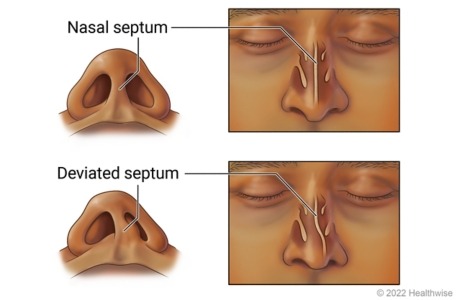
People often think that a septoplasty and a rhinoplasty are interchangeable terms. However, there are major differences between the two surgeries. Septoplasties are typically performed by ENT doctors, take about 20 minutes, and are strictly functional. Rhinoplasties are typically performed by Plastic Surgeons, take 3-4 hours, and are both functional and cosmetic.

Plastic Surgeons are seeing a huge uptick in business related to excess skin after weight loss. This isn’t the result of traditional 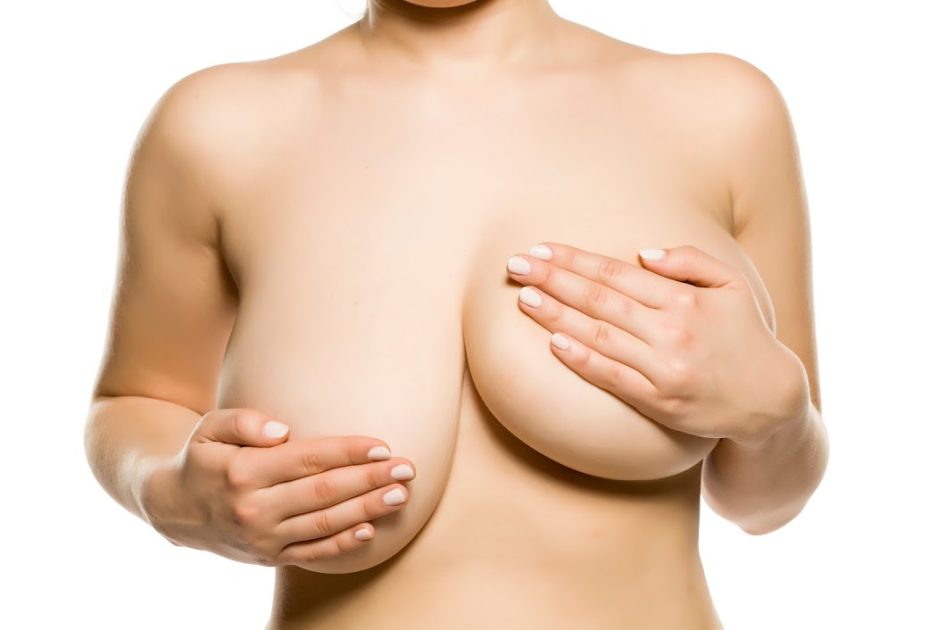 diets or even bariatric surgery, but a wave brought on by the successes of glucagon-like peptide-1 (GLP-1) medications like Ozempic, which are increasingly seen in the media and touted by celebrities and everyday individuals alike. GLP-1 medications, like Ozempic, are changing the face of medicine. Orthopedic and Spine surgeons are afraid of losing their cash cow obesity related joint replacements, while Plastic Surgeons stand to see an uptick.
One procedure Plastic Surgeons are increasingly seeing is that of breast lift, or mastopexy. Often one of the places a woman loses weight first is in her breasts. This weight loss can leave the skin envelope empty, resulting in sagging and a downturned nipple. “Ozempic Breast” is a term gaining in popularity to describe this situation.
What are GLP-1 medications?
Ozempic, primarily used to treat type 2 diabetes, has found fame for another of its benefits – weight loss. GLP-1 agonists are drugs that mimic the natural hormone GLP-1 in the body, which helps regulate blood sugar and decrease appetite.These medications can lead to significant weight loss by enhancing the body’s response to insulin, especially when coupled with diet and exercise. They serve to slow gastric emptying, resulting in feeling of fullness, but they also trick the brain into feeling satiated and suppressing appetite.
These medications are manufactured under many brand names, and according to the Mayo Clinic, these GLP-1 medications are also called:
- Dulaglutide (Trulicity)
- Exenatide (Byetta)
- Exenatide extended release (Bydureon BCise)
- Liraglutide (Victoza, Saxenda)
- Lixisenatide (Adlyxin)
- Semaglutide (Ozempic)
- Semaglutide (Rybelsus)
What can plastic surgery do for Ozempic weight-loss patients?
Plastic surgery can offer transformative post-weight loss procedures to remove extra skin that sometimes hangs from patients breasts, arms, abdomen, thighs and other areas.
This is where plastic surgery can play a crucial role in the final steps of a person’s transformation through skin-tightening procedures like breast lifts.
What is a breast lift or mastopexy?
A breast lift in plastic surgery is a procedure used to eliminate hanging skin on the breasts and also elevate the nipple to a position where it is facing forward instead of down. It can be used with or without an implant.
What’s is the difference between a breast lift alone and a breast lift with an implant?
The main difference is in the fullness and cleavage one can achieve in the upper portion of the breast. If one wants a round upper portion of the breast and wants to have great cleavage in a dress or bathing suit, then an implant will be required.
What is unique about Dr. Graham’s breast lift technique?
Dr. Graham utilizes and advanced breast lift/augmentation technique that he learned from Dr. Bradley Calobrace, of Louisville Kentucky. This technique eliminates sagging tissues of the breast while augmenting the upper portions of the breast. The implant is placed first, protected by overlying breast tissue, and then the breast is meticulously sculpted around this construct (Think of the papermache projects you used to do in school). This provides safety for the implant and yields a longlasting perky result.
Ultrasonic Rhinoplasty, or Waterjet Rhinoplasty, is a revolution in rhinoplasty. Popularized by Dr. Aaron Kosins of Newport Beach, Ca,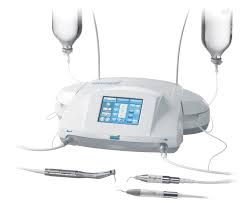 and French surgeon, Dr. Olivier Gerbault, Piezosurgery is the most disruptive technology to happen to rhinoplasty in over 20 years. Dr. Graham is the only rhinoplasty surgeon in Western New York to use this innovative technology.
What is An Inverted V Deformity? Do I Have an Inverted V Deformity?
In rhinoplasty, an inverted V deformity refers to a particular type of nasal shape that can occur as a complication following 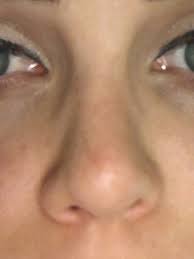 surgery. This deformity typically occurs when there is an excessive resection of the dorsal hump of the nose as the upper lateral cartilages collapse inward during the rhinoplasty procedure. The upper lateral cartilages are structures in the nasal anatomy that contribute to the nasal dorsum and sidewall and help maintain its structural integrity.
When too much cartilage is removed from the upper lateral cartilages, it can lead to the collapse of the nasal sidewalls, resulting in a V-shaped appearance when viewed from the front. The deformity resembles an inverted V, with the point of the V at the top of the nose. This can create a pinched and unnatural appearance to the nasal tip, affecting both the aesthetic and functional aspects of the nose. This is much more common with closed rhinoplasty techniques versus open techniques.
To prevent or correct the inverted V deformity, surgeons may use various techniques, such as preserving adequate cartilage, reinforcing the nasal sidewalls, or using grafts to provide support and maintain nasal structure. These grafts typically come in the form of spreader grafts or lateral cartilage turn in flaps.
Inverted V deformities are more difficult to correct than they are prevent, therefore it is important to choose the right rhinoplasty procedure and the right rhinoplasty surgeon at the outset. It is crucial for individuals considering rhinoplasty to communicate their aesthetic goals and concerns with their surgeon and discuss the potential risks and complications associated with the procedure. It is most important to choose a surgeon
Choose a Rhinoplasty Expert
It is important that you choose a Plastic Surgeon experienced in rhinoplasty surgery. Rhinoplasty surgery is a field all in itself. It is considered by many Plastic Surgeons to be the most difficult of all procedures. To be proficient in rhinoplasty requires a very specific skill set and a prolific knowledge of rhinoplasty techniques. It is a finesse surgery that takes time and a commitment to perfection. Patients should be wary of any surgeon who simply does an “add on” rhinoplasty at the time of septoplasty. Excellent rhinoplasty results take 3-4 hours to achieve.
Dr. David Graham is a rhinoplasty expert. He is a member of the both the American Rhinoplasty Society and Rhinoplasty Society of Europe. He has pursued advanced training with the world’s finest rhinoplasty surgeons, such as Dean Toriumi, Rod Rohrich, Mario Ferraz, and Rick Davis. In addition to traveling all over the US to hone his craft, he has traveled to Italy and Germany to study with the world’s best surgeons. As a result, he is at the forefront of rhinoplasty techniques, including the usage of ultrasonic rhinoplasty. He performs both primary and revision rhinoplasty procedures out of his state of the art surgical suite.
Contact Board Certified Plastic Surgeon, David Graham, MD, in Rochester, New York
To learn more about the plastic surgery treatments and procedures performed by Board Certified Plastic Surgeon, David Graham, MD please contact us.
View our plastic surgery and med spa procedure pricing.
Dr. Graham receives patients from Rochester, Victor, Fairport, Pittsford, Brighton, Irondequoit, Henrietta, Syracuse, Buffalo, New York and surrounding areas.
 Pregnancy, childbirth, and breastfeeding have extensive effects on the abdomen and breasts, mommy makeovers usually include body contouring procedures and breast enhancement surgery. It’s critical to understand that mommy makeover is a highly customizable procedure and may include any procedures that can achieve your desired aesthetic goals.
A dedicated surgeon will explain the various types of procedures and whether or not they are suitable for you during the initial consultation. Graham Plastic Surgery, led by accomplished board certified plastic surgeon Dr. David Graham, provides mommy makeover to patients in Rochester, NY, and surrounding communities.
Mommy Makeover Surgical Procedure
Most mommy makeover patients have at least one surgical procedure performed. Multiple plastic surgery procedures are performed in majority of cases during a single operation. This allows the surgeon to correct multiple body areas with a single surgery and involving just one recovery period. These are a few common surgical procedures in mommy makeover:
- Tummy tuck
- Liposuction
- Feminine rejuvenation
- Breast augmentation
- Breast lift
Mommy Makeover Non-Surgical Procedures
Women are increasingly including non-surgical procedures in their mommy makeover plans. These treatments are salient options for candidates looking to have more children. In fact, nonsurgical procedures don’t involve extensive downtime. This allows patients that are unwilling or unable to take several weeks off for recovery to get the body shape they desire.
You should know that nonsurgical procedures generally provide less dramatic results as compared to surgical procedures. Stemming from this, they do allow for significant improvements. These are a few popular nonsurgical mommy makeover procedures:
- Skin tightening treatments
- Cellulite reduction
- Injectables: Botox & fillers
- Skin resurfacing treatments
- Non-surgical fat reduction
- Non-surgical feminine rejuvenation
Choose a Board Certified Plastic Surgeon
As you can see mommy makeover cosmetic surgery has multiple procedures to be performed in a single sitting. This is an important decision and you may want to consult with an experienced and board certified plastic surgeon. The surgeon you choose doesn’t just need to be efficient in performing the procedures – they should also be efficient in performing the procedures together.
You should ask the cosmetic surgeons about the number of mommy makeover procedures they have performed with successful results. Don’t forget to ask for patient testimonials and before and after photographs. Pay particular attention to the patients with similar body shape as yours.
Right Time to Get a Mommy Makeover
Identifying the right time to get the procedure is largely a personal decision made between you and your plastic surgeon. There are certain factors that you should consider when timing the mommy makeover:
- You should have fully recovered from childbirth before undergoing a surgical procedure.
- You may want to wait a few months to finish breastfeeding and allow your breasts to take a stable shape and size if you are considering breast enhancement.
- Injectables and other nonsurgical procedures are not recommended when breastfeeding.
- It’s recommended to get a mommy makeover when you have finished having children. With that said, the procedure doesn’t really affect future childbirths. You may only lose the results of the mommy makeover.
Seasoned cosmetic surgeon Dr. David Graham receives patients from Rochester, NY, and nearby areas for mommy makeover surgery.
Contact Board Certified Plastic Surgeon, David Graham, MD, in Rochester, New York
To learn more about the plastic surgery treatments and procedures performed by Board Certified Plastic Surgeon, David Graham, MD please contact us.
View our plastic surgery and med spa procedure pricing.
Dr. Graham receives patients from Rochester, Victor, Fairport, Pittsford, Brighton, Irondequoit, Henrietta, Syracuse, Buffalo, New York and surrounding areas.