
Ozempic Body: Understanding the Physical Changes That Can Follow Weight Loss Medications
GLP-1 medications like Ozempic®, Wegovy®, and Mounjaro® have transformed the weight-loss conversation. While many patients celebrate meaningful and life-changing weight reduction, a new term has entered popular culture: “Ozempic Body.”This phrase refers to the physical changes some individuals notice after rapid or significant weight loss—particularly changes in skin tone, volume, and body contours.Understanding what “Ozempic Body” means, why it happens, and what options exist can help patients feel informed and empowered as they navigate their aesthetic goals.
What Is “Ozempic Body”?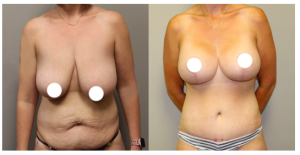
“Ozempic Body” is not a medical diagnosis. It’s a colloquial term used to describe body contour changes that can occur after substantial weight loss, especially when weight is lost quickly.Common concerns associated with Ozempic Body include:
-
Loose or sagging skin in the abdomen, arms, thighs, or buttocks
-
Loss of volume in the breasts or buttocks
-
A “deflated” or less firm appearance in certain areas
-
Changes in skin elasticity and texture
These changes are not unique to Ozempic—they can happen with any significant weight loss, whether achieved through medication, bariatric surgery, or lifestyle changes.
Why Does Ozempic Body Happen?
1. Rapid Weight Loss
When weight is lost quickly, the skin may not have enough time to retract and tighten, especially in areas that have been stretched for years.
2. Loss of Fat Volume
Fat provides structure and fullness. When fat volume decreases, it can reveal lax skin or lead to contour irregularities.
3. Age and Skin Elasticity
As we age, collagen and elastin levels decline, making it harder for skin to bounce back after weight loss.
4. Genetics
Some people are genetically predisposed to better skin retraction than others.
Is Ozempic Body Preventable?
Not entirely—but certain factors may help minimize its appearance:
-
Gradual, supervised weight loss when possible
-
Strength training to preserve muscle tone
-
Adequate protein intake and hydration
-
Good skincare habits and sun protection
Even with these measures, some degree of skin laxity or volume loss is normal after significant weight reduction.
Aesthetic Options for Addressing Ozempic Body
For patients who are happy with their weight loss but unhappy with body contours, aesthetic medicine and plastic surgery can offer solutions tailored to individual needs.
Non-Surgical Options May Include:
-
Skin-tightening technologies (radiofrequency or ultrasound-based treatments)
-
Injectable fillers or biostimulants to restore volume in select areas
-
Non-surgical body contouring treatments
Surgical Options May Include:
-
Tummy tuck (abdominoplasty)
-
Arm lift (brachioplasty)
-
Thigh lift
-
Breast lift with or without augmentation
-
Body lift procedures for more extensive skin laxity
A consultation with a board-certified plastic surgeon is the best way to determine which options are appropriate.
Weight Loss Is a Success—Refinement Is a Personal Choice
It’s important to emphasize that Ozempic Body does not mean weight loss failed. On the contrary, it often reflects a major health achievement. Weight loss is associated with innumerable health benefits including improving cardiovascular, musculoskeletal, and even mentall health. Furthermore, it decreases cancer risk and overall body inflammation. Choosing to address body contour concerns afterward is not about vanity—it’s about optimizing health while aligning the outside with how patients feel on the inside.
Final Thoughts
GLP-1 medications have opened new doors for weight management, but they can also introduce unexpected aesthetic changes. Understanding Ozempic Body helps normalize the conversation and reminds patients that options exist. In addition, the bariatric surgery literature shows that patients who undergo cosmetic skin removal after weight loss are much less likely to undergo weight regain, a common problem with GLP-1 medications after their cessation.
If you’ve experienced physical changes after weight loss and want to explore ways to restore balance, confidence, and contour, a personalized consultation can help map out the next steps. Dr. Graham is an expert in breast and body surgery, learning his craft at a major bariatric center in Ohio. He has over 20 years of experience and innate artistic ability.