
Ozempic Breasts: What It Is, Why It Happens, and What You Can Do
As medications like Ozempic® (semaglutide) continue to grow in popularity for weight loss and diabetes management, new terms are emerging online—one of the most talked about being “Ozempic breasts.”
If you’ve noticed changes in breast size, shape, or firmness while losing weight on Ozempic, you’re not alone. The good news? These changes are common, expected, and manageable.
Let’s break down what “Ozempic breasts” really means, why it happens, and what options exist to address it.
What Are “Ozempic Breasts”?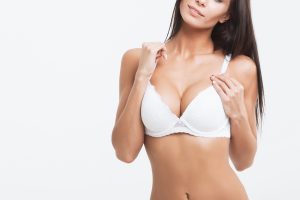
“Ozempic breasts” is a non-medical term used to describe changes in breast appearance after significant weight losswhile taking GLP-1 medications like Ozempic.
Common changes include:
- Loss of breast volume
- Increased sagging or ptosis
- Softer or deflated appearance
- Changes in breast symmetry
Importantly, Ozempic itself does not directly affect breast tissue. These changes are the result of fat loss, not the medication targeting the breasts.
Why Does Ozempic Cause Breast Changes?
- Breasts Are Largely Made of Fat
Breasts are composed of:
- Fat
- Glandular tissue
- Connective tissue and skin
When weight loss occurs—especially rapid or significant weight loss—the fat volume in the breasts often decreases.
- Rapid Weight Loss Affects Skin Elasticity
GLP-1 medications can lead to faster weight loss than traditional methods. When this happens:
- Skin may not have time to retract
- Breast tissue can lose structural support
- Sagging becomes more noticeable
Age, genetics, and prior pregnancies can increase this effect.
- Hormonal Changes and Aging Play a Role
As we age, natural decreases in estrogen reduce skin elasticity and collagen production, making breast changes more noticeable during weight loss.
Is This Unique to Ozempic?
No. Similar changes have been observed with:
- Bariatric surgery
- Diet-induced weight loss
- Pregnancy and postpartum weight loss
“Ozempic breasts” is simply a modern label for a long-recognized consequence of weight loss.
Can You Prevent Ozempic Breasts?
While you can’t completely prevent breast changes during weight loss, you can minimize their severity:
✔ Gradual Weight Loss (When Possible)
Slower weight loss allows skin more time to adapt.
✔ Proper Nutrition
Adequate protein supports skin integrity and collagen production.
✔ Supportive Bras
Well-fitted bras reduce strain on breast skin during weight changes.
Surgical Options After Weight Loss
🔹 Breast Augmentation
Restores lost volume using implants. The only way to get perkiness is with a breast implant.
🔹 Breast Lift (Mastopexy)
Addresses sagging and repositions the nipple.
🔹 Augmentation + Lift
Combines volume restoration with reshaping for comprehensive results. This can be done as a single or two stage operation depending on your anatomy and surgeon’s experience.
Many surgeons recommend waiting until weight stabilizes before considering surgery. A stable weight for at least 3-6 months is recommended. Reaching you ideal weight is essential for long lasting results.
When Should You See a Specialist?
Consider consulting a board-certified plastic surgeon if:
- Breast changes are affecting your confidence
- Weight has been stable for several months
- Non-surgical options are insufficient
A personalized consultation can determine the best approach for your goals. Dr. Graham is an expert in cosmetic breast surgery, having over 20 years of experience.